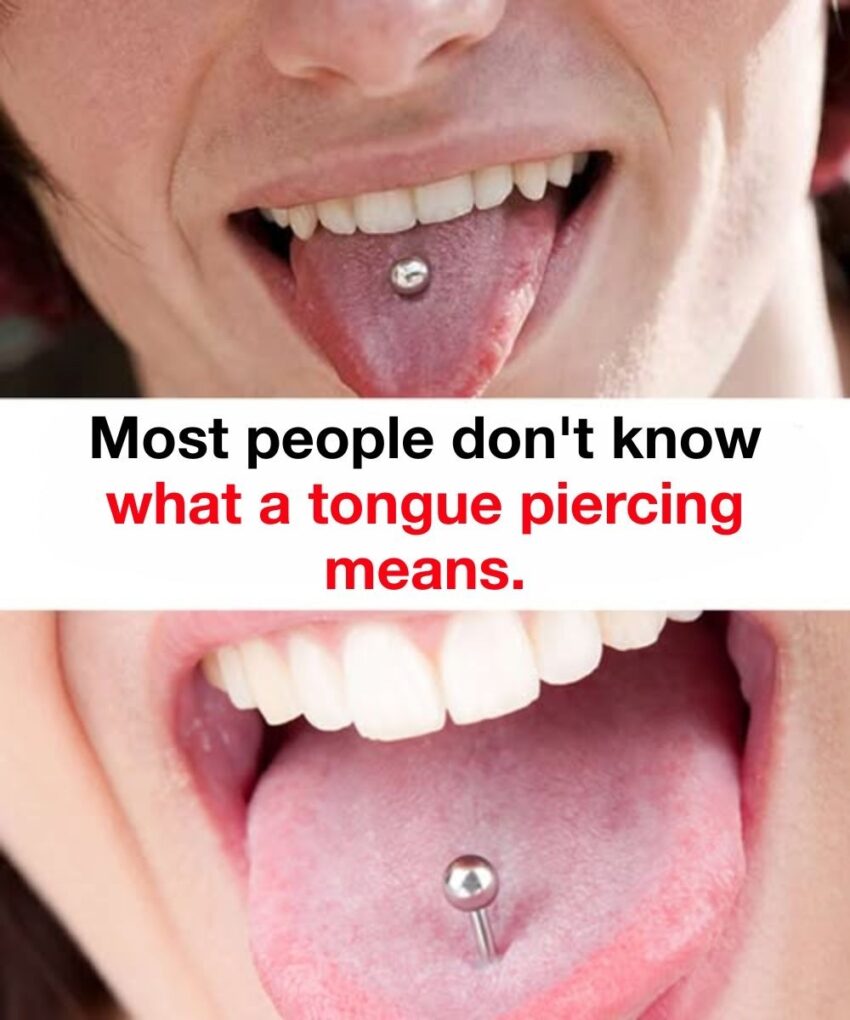
Tongue piercings have become increasingly common, especially among young adults. For many people, it is simply a fashion choice or a form of self-expression. However, tongue piercings also carry certain health risks that most people are not aware of. This article provides an educational overview of why people get tongue piercings and the medical side effects associated with them.
Why Do People Get a Tongue Piercing?
1. Personal Style & Body Expression
For many individuals, a tongue piercing is a statement of identity, individuality, and confidence.
2. Cultural & Social Associations
In some communities, piercings are linked with modern fashion, music culture, or a bold lifestyle choice.
3. Enhanced Oral Sensation (General Explanation)
Some people choose tongue piercings because it can increase sensitivity in the mouth.
- The jewelry may create a different tactile feeling during kissing.
- Some believe it enhances the overall sensory experience during certain types of intimate activities.
Note:
This is simply a general explanation; experiences vary from person to person, and it should not be considered a reliable or safe method for enhancing intimacy.
Medical Side Effects & Health Risks of Tongue Piercings
Tongue piercings involve puncturing a muscle filled with nerves and blood vessels, which makes it more risky than regular skin piercings.
Immediate Side Effects (Right After Piercing)
1. Swelling
The tongue can swell significantly for several days and may make speaking and eating difficult.
2. Pain & Discomfort
Mild to moderate pain is common during the healing period.
3. Bleeding
Since the tongue contains major blood vessels, hitting one can cause heavy bleeding.
Short-Term Medical Risks
1. Infection
The mouth contains thousands of bacteria.
If hygiene is not maintained, infections can develop quickly, sometimes spreading deeper into the body.
2. Allergic Reactions
Some people are allergic to metal used in jewelry (especially low-quality steel or nickel).
3. Difficulty Speaking & Eating
Pronunciation may be affected temporarily. Chewing can become challenging, increasing the risk of biting the jewelry.
Long-Term Side Effects
1. Damage to Teeth
Constant contact between the metal ball and the teeth can lead to:
- Cracked or chipped teeth
- Worn enamel
- Gum recession
Dentists frequently warn about this issue.
2. Nerve Damage
If nerves are damaged during the procedure, it may cause:
- Loss of taste sensation
- Numbness
- Tingling
This damage can be temporary—or permanent.
3. Increased Saliva Production
The body treats the jewelry as a foreign object, sometimes causing excessive drooling or saliva buildup.
4. Speech Changes
Some people develop a slight lisp because of prolonged jewelry use.
Oral Health Risks Related to Intimate Use (General Awareness)
Using mouth piercings during intimate activities can increase certain risks:
1. Higher Chance of Oral Injuries
The piercing can cause cuts, irritation, or micro-tears inside the mouth.
2. Increased Bacterial Transmission
The metal jewelry can trap bacteria, increasing the likelihood of infections.
3. Risk of Jewelry Loosening
If the jewelry unscrews accidentally, there is a danger of:
- Swallowing it
- Choking
- Damaging soft tissues
4. Gum & Tooth Trauma to Both Partners
The hard metal ball can unintentionally cause bruising or injury.
Important Note:
Health professionals strongly advise maintaining proper hygiene and using safer practices if a piercing is involved in any close-contact activity.
How to Reduce Risks
If someone chooses to keep a tongue piercing, health experts recommend:
- Always using high-quality, medical-grade jewelry
- Cleaning the piercing regularly with antiseptic mouthwash
- Avoiding playing with the jewelry
- Visiting a dentist regularly to check for tooth and gum damage
- Ensuring the piercing is done by a licensed professional
Conclusion
Tongue piercings may look fashionable and can have personal or sensory reasons behind them, but they also carry real health risks. Anyone considering getting one should understand both the aesthetic appeal and the potential medical consequences.
If the piercing is already done, proper hygiene and regular dental checks are essential for long-term safety.